
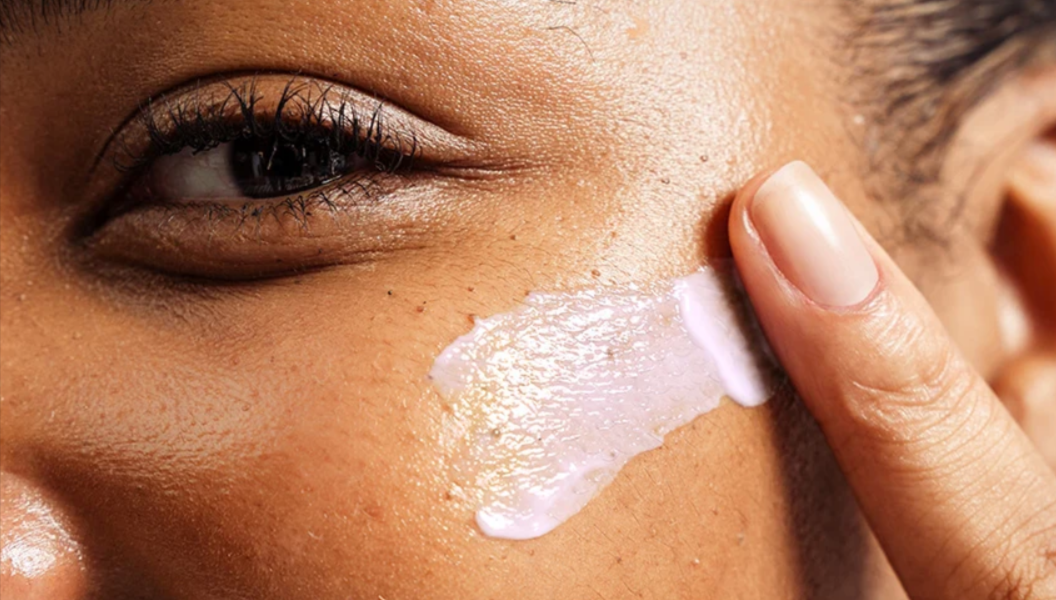

It is easy to get carried away with skin products online. With lots of options, such as serums, moisturisers, masks and oils, products will claim to give you younger, smoother and brighter skin. But sometimes after adding multiple products to your basket, the price may be high. Often, half of the items may remain unused after a week.
Tackling it this way can help.
Below is a quick checklist to make sure you aren’t overbuying anti-ageing products. It also means you do not have to read through lots of reviews.
Know the essentials
When you shop LifeCell anti-aging skincare, there are a few key thing to include. These are; SPF to protect your existing collagen, Moisturiser to retain water, Retinoids (with the most research to reduce fine lines), and Vitamin C for brightening and some SPF protection.
After these, products will be extra. If you haven’t included SPF within 10 products, then you are prioritising incorrectly.
Read the ingredients list carefully
The ingredients on the back of the packaging will give you better insight to the product than the front. They are ordered from highest to lowest. If the main ingredient is further down the list, then it may only be present in very small quantities.
Also consider the form. There are many types of vitamin C, and some have more research supporting them than others. Know the strength as well. Sometimes this information may not be given by the brand so if it does not state a strength it is reasonable to be slightly unsure.
Bundled products
While you may be saving money with a bundle of products, make sure that all products in the bundle work with your skin and what you want to target. If there are products that you do not need in the bundle, despite the discount, you are still spending unnecessarily.
Consider the size of the products. Even if they are expensive, make sure you know what it is per ml/oz. Sometimes products with fancy packaging may be very small.
Be cautious of certain claims
Be cautious of products with claims like ‘clinically proven’ or ‘tested by dermatologists’. Consider whose test it was, how many people were involved and what was measured. If there is vague information given, be wary of placing value on it.
Be extra cautious of claims like ‘erases,’, ‘reverses’ and immediate ‘lift’. Skin simply cannot do this. Products which give you instant results are misleading.
Return policies
As skincare can be very personal, it may not be suitable for you. Consider what the return/ exchange policy is. See whether they accept returns on opened products. In some stores you can return opened products within a short period of time and in others you cannot.
If you’re looking at subscriptions, be careful. With ‘subscribe and save’ often you may be automatically recharged each month. Be aware of how to unsubscribe.
Patch test
Products can cause redness, irritation or spots. Applying a small amount to the inside of your arms for 1-2 days is a good way of checking. Boring but effective!
If you are pregnant (or planning to be) or have eczema, rosacea or other skin conditions, consult a doctor/dermatologist before using retinoids.
Give it time
Most anti-ageing products will take 12 weeks or more to give a slight effect. Changing products every 10 days will make it difficult to get an idea of what is working. Taking photos in similar lighting once a month will give a more accurate effect than in the mirror.
Summary
Target 1 thing. Include a few proven products. Try 1 new product at a time. Apply SPF daily. Take your time! It may be best to leave items in your basket for now.


